
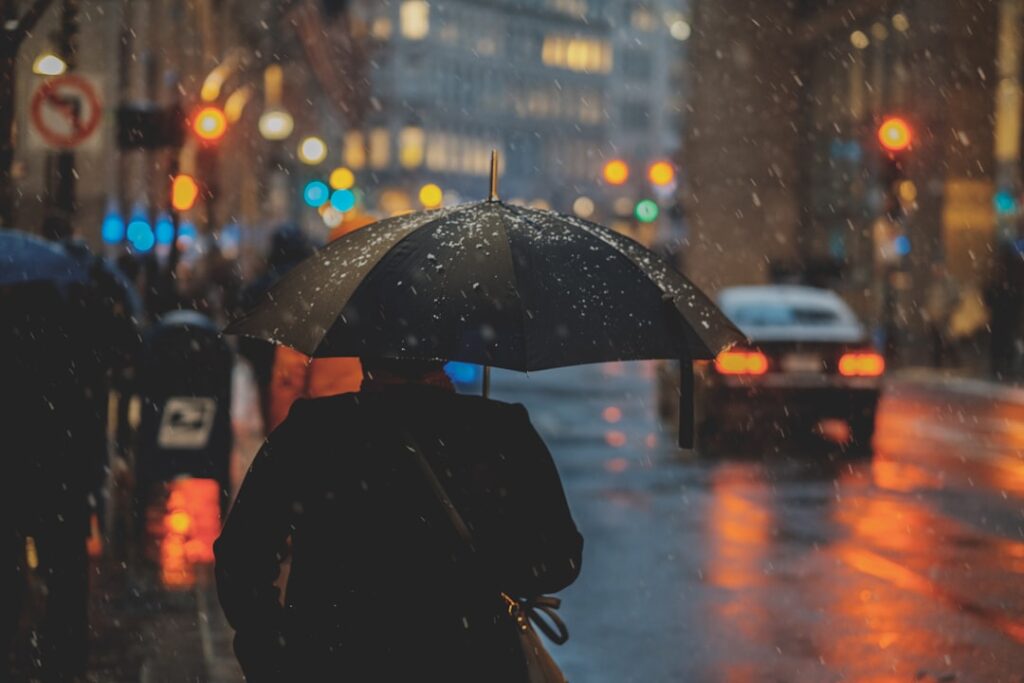
Korean summer includes a monsoon season known as jangma, typically running from late June through July. For international students and working holiday travelers, this period brings heavy rains, extreme humidity, and unique home care challenges. This guide covers practical steps to keep your apartment safe, dry, and comfortable through the wettest weeks of the year.
What to Expect During Jangma Season
Korean monsoon typically brings 300 to 400mm of rainfall in a few weeks. Humidity often exceeds 90%, and sudden downpours can flood streets. Some days are hot and sunny; others bring nonstop rain. Prepare for both extremes.
Essential Waterproofing Steps
- Check window seals and re-caulk any gaps
- Move valuables away from balcony floors that might flood
- Keep waterproof bags for your electronics if commuting
- Store important documents in ziplock bags
- Elevate any items sitting directly on floors near windows
Humidity Control
Excessive indoor humidity leads to mold, mildew, and damage to clothes and books.
- Run a dehumidifier if you have one (small models are affordable at Coupang)
- Use bathroom exhaust fan continuously during rainy days
- Air out closets weekly on drier days
- Consider silica gel packets in drawers and shoe cabinets
- Keep doors and windows closed during high humidity peaks
Laundry Tips
Drying clothes during monsoon is challenging.
- Use apartment dryers if available (many officetels have them)
- Indoor drying racks with a fan speed things up
- Add a dehumidifier near drying laundry
- Avoid over-loading washing machines during rainy periods
- Coin laundry shops (which have dryers) are useful backup
Essential Items to Have Ready
- Good quality umbrella (long and compact)
- Waterproof shoes or rain boots
- Raincoat or waterproof jacket
- Quick-dry backpack cover
- Small dehumidifier packs (Daiso sells these cheaply)
Transportation and Safety
Heavy rain affects Seoul transportation significantly.
- Check bus and subway apps for delays before leaving
- Avoid underpasses and flood-prone streets during heavy rain
- Use umbrella etiquette on packed subway platforms
- Save emergency numbers: 119 for emergencies, 1330 for tourist help
When Things Go Wrong
- Water leak from ceiling: photograph immediately and notify landlord
- Mold spots: clean with vinegar solution and improve ventilation
- Flooded balcony: clear drains, use towels to soak up water
- Electrical issues from humidity: unplug affected devices and consult building maintenance
Frequently Asked Questions
Q: How long does monsoon season last?
Typically 3 to 5 weeks between late June and late July, though timing varies each year.
Q: Do apartments have air conditioning during monsoon?
Most modern officetels and apartments have air conditioning, which also helps reduce humidity. Verify with your landlord before signing.
Looking for a Place in Seoul? Ziptoss.
A well-maintained apartment makes seasonal challenges much easier. Share your requirements through our inquiry form and we will help you find a home that stays comfortable year-round.
Browse Available Properties on Ziptoss →
Explore Seoul rental map, filter by area, and inquire directly.